


Improving Visability in Google
SEO is evolving. Search technology, user behavior and Google’s search systems are changing, and so is the way businesses approach search engine optimization. Knowing about these changes can help you develop content and sites that better meet user needs and align with how people search today.
Such changes in SEO best practices are a result of the ever evolving search engines, technology and user behavior. In the seo industry, the biggest change discussed is the effect of AI, changing search behavior, technical needs, content quality and how search engines present information.
Here is a brief overview of 7 SEO areas that require your attention, along with some essential tips on boosting your site’s performance in Google search results.1AI is changing the game.

#1 AI is Transforming Search
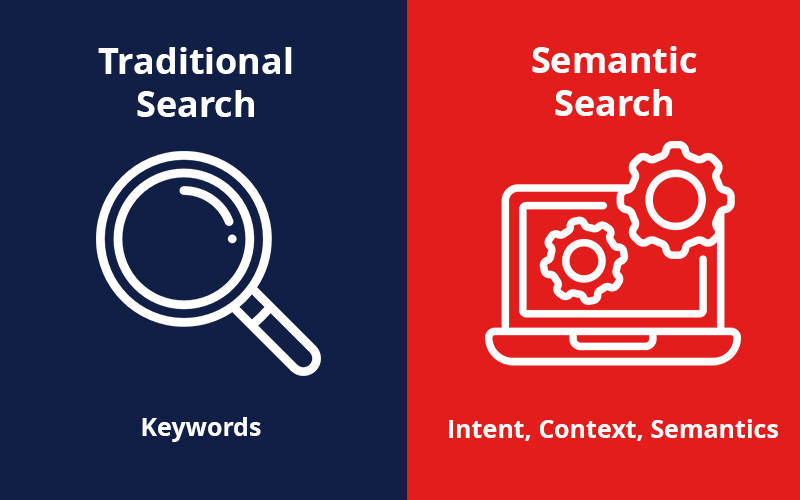
One of the biggest trends in SEO is the growing influence of artificial intelligence (AI). Today search engines use very advanced algorithms, which are able to understand the meaning and context of a query, not only the words. So just optimizing for keywords is not enough anymore. Rather, the content should provide value and satisfy users’ queries in an informative and easily understandable manner.
How to adjust:
Write for me. Give them answers, give them information that is useful, that is of value. Use related topics and natural language to help search engines understand what your content is about. Structured data markup helps search engines to better understand the page’s information and context, which can lead to rich snippets and other search result enhancements
#2 The Rise of Voice Search and Conversational Queries
Voice search and conversational queries are changing the way some users search for information. It also encourages users to input full questions or search in natural language, not just short phrases.
How you can leverage this:
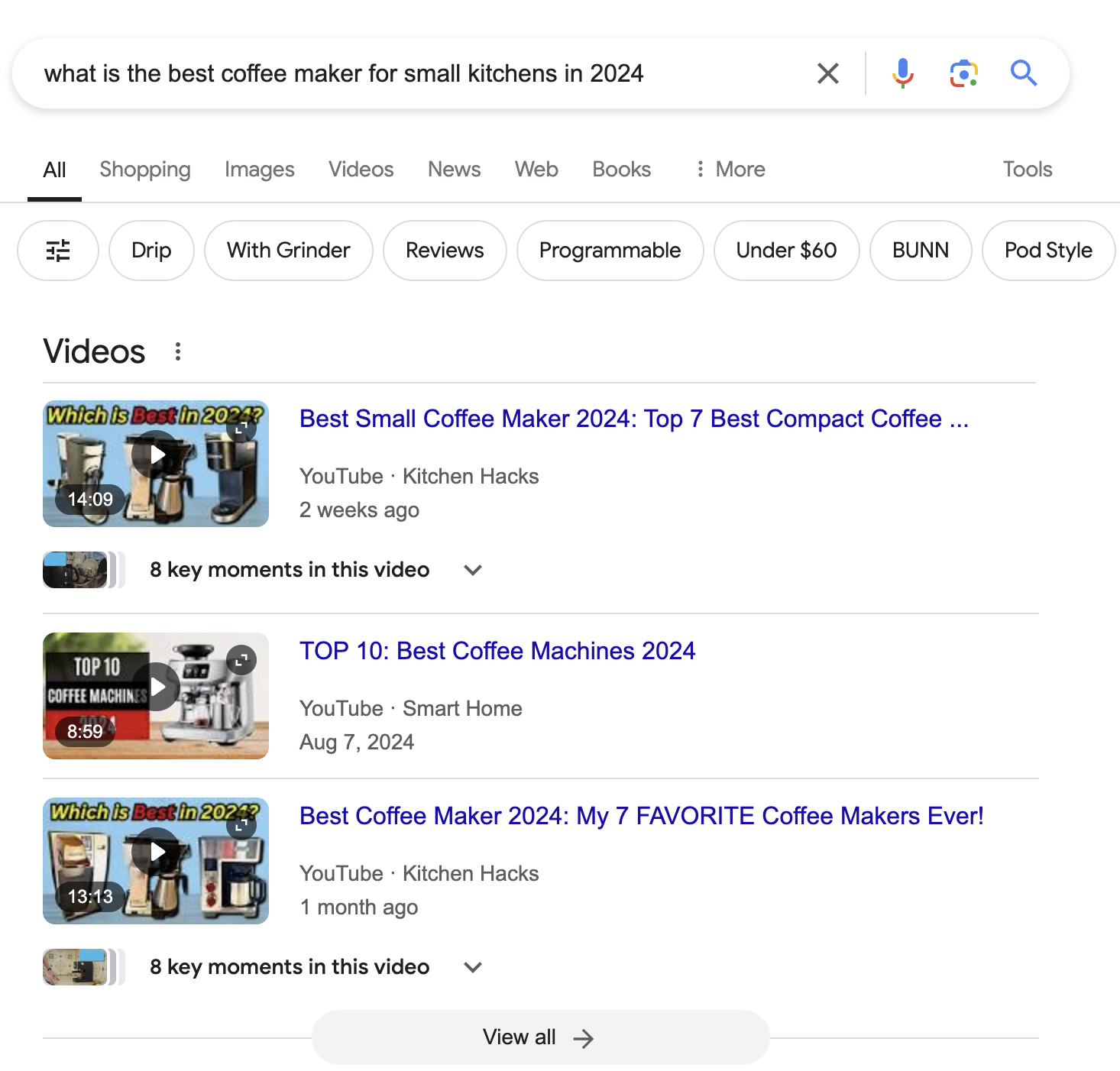
What is the origin of the phrase “to be out of the woods”? How does a user ask a question or talk in case of asking a question directly? For example, instead of optimizing for “best coffee maker,” you may optimize for “What’s the best coffee maker for small kitchens?”
This can also make your content more digestible for search features that offer direct answers.
#3 Core Web Vitals Remain Critical
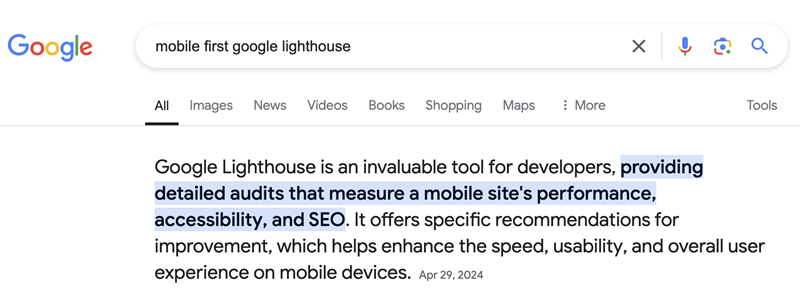
Google’s Core Web Vitals focus on the page experience, such as how well a page loads, how responsive it is, and how stable it looks visually. Building a website, mobile usability, all of these factors are important to consider.
The current Core Web Vitals are:
Largest Contentful Paint (LCP) – measures loading performance.
Interaction to Next Paint (INP) – measures responsiveness.
Cumulative Layout Shift (CLS) – measures visual stability.
How to Adapt:
Speed up your website, make it more responsive and mobile-friendly. Optimize LCP, INP and CLS score. Don't have your site bouncing around randomly when loading.
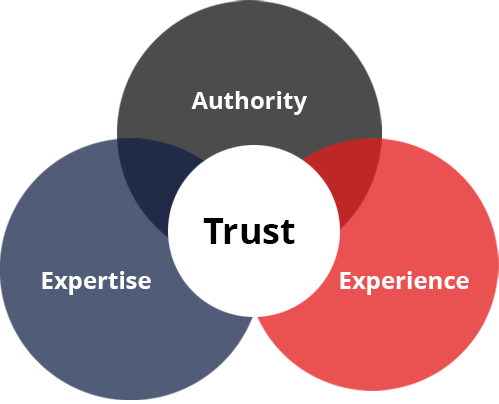
#4 E-E-A-T: Experience, Expertise, Authoritativeness, and Trustworthiness
Google’s E-E-A-T guidelines include Experience, Expertise, Authoritativeness, and Trustworthiness. The framework emphasizes the need for content that shows relevant knowledge, first hand experience and credibility.
High quality, credible content is particularly important in areas like finance, healthcare and other subject areas where incorrect information can have serious consequences.
How to Implement:
Show your expertise and experience with case studies, testimonials, original insights and professional reviews. When dealing with sensitive topics, support your content with authoritative references and, where appropriate, qualified professionals.
#5 Local SEO is Growing in Importance
Local search is increasingly vital for companies that serve local customers or are geographically constrained. Google likes to know where your business is located, what it offers and so on. Correct business information is important.
How to Benefit:
Ensure that your Google Business Profile is accurate and up-to-date with contact information, hours, services and location information. Get real, honest customer reviews and respond where appropriate.
Make sure your location information is on all pages of your website, especially on pages that are location or service specific. Don’t use location-based keywords if they don’t make sense.
#6 Video and Image SEO are Now Essential
Visual content is a big part of the modern search, images and videos are integrated in different types of search results and on different platforms.
How to Take Advantage:
Use descriptive titles and descriptions and relevant keywords for video SEO and closed captions or transcripts, as needed. Optimize images for fast loading pages with descriptive alt text, the right file format, and size.
#7 The Continued Importance of Backlinks
Backlinks remain an important part of SEO, but it’s less about quantity and more about quality and relevance. Search engines are pretty good at catching many manipulative or spammy linking schemes.
How to Strengthen Your Authority:
Create something useful that relevant authoritative sites want to link to. Real backlinks can be earned by building relationships with websites in your industry and offering content that is useful.
Internal linking is still important ! Make sure your website has a clear internal linking structure to help users find related content.
Keep Your SEO Strategy Up to Date
There are many facets that go into SEO and search continues to evolve with advancement of technology and usage of the web. AI search, conversational queries, Core Web Vitals, E-E-A-T, local SEO, visual search, backlinks and more – all of these affect how users find and interact with your site.
In the future changes in search technology and the way people search for information on the internet will shape SEO.
Instead of focusing on one SEO tactic at a time, audit your site periodically to ensure your content, technical performance, user experience and site architecture continue to meet the needs of your audience.
At Inorbital, we keep up to date with updates to search and support companies in designing websites and SEO strategies that drive sustained visibility and online success.

Alex
Senior Project Manager
Alex Treen is the Senior Project Manager at Inorbital, specializing in member-based solutions. Alex oversees project lifecycles, ensuring timely and budget-conscious delivery of dynamic websites for a diverse clientele. He has over 10 years of experience managing digital projects with a background in Psychology and Web Design.